How to Choose the Right Siding for Your Home
Siding has two jobs. It shapes curb appeal, and it protects your house from rain, wind, sun, and cold.
That makes the choice bigger than color alone. If your current exterior is worn out, start by looking at vinyl siding repair vs replacement. If you're still weighing materials, you can also Contact Troy for a direct opinion before you commit.
In Western Massachusetts and Northern Connecticut, weather changes the whole equation. Rain, snow, wind, and freeze-thaw cycles can punish weak materials fast, so the right siding is the one that fits your home, climate, budget, and tolerance for upkeep.
Start with What Your Home Needs Most
The best siding choice depends on your house, not on whatever looks good in a sample board. A sunny, sheltered home has different needs than a house on a windy road or one surrounded by trees that hold moisture.
Start with six basics: weather exposure, budget, lifespan, maintenance, energy performance, and neighborhood style. If one of those matters most to you, use it as your filter. That keeps the decision simple.
Siding can help with comfort, but it isn't a full insulation system. If energy savings matter most, ask about insulated siding or added wall insulation inside the wall assembly.
That point gets missed all the time. A new exterior can tighten up the house, but siding by itself won't fix poor insulation.
Think about your weather before you think about color
In New England, climate comes first. Wet areas need strong moisture resistance. Homes exposed to heavy wind need solid fastening and good wind ratings. If wildfire risk is part of your area, fire-resistant products like fiber cement make more sense.
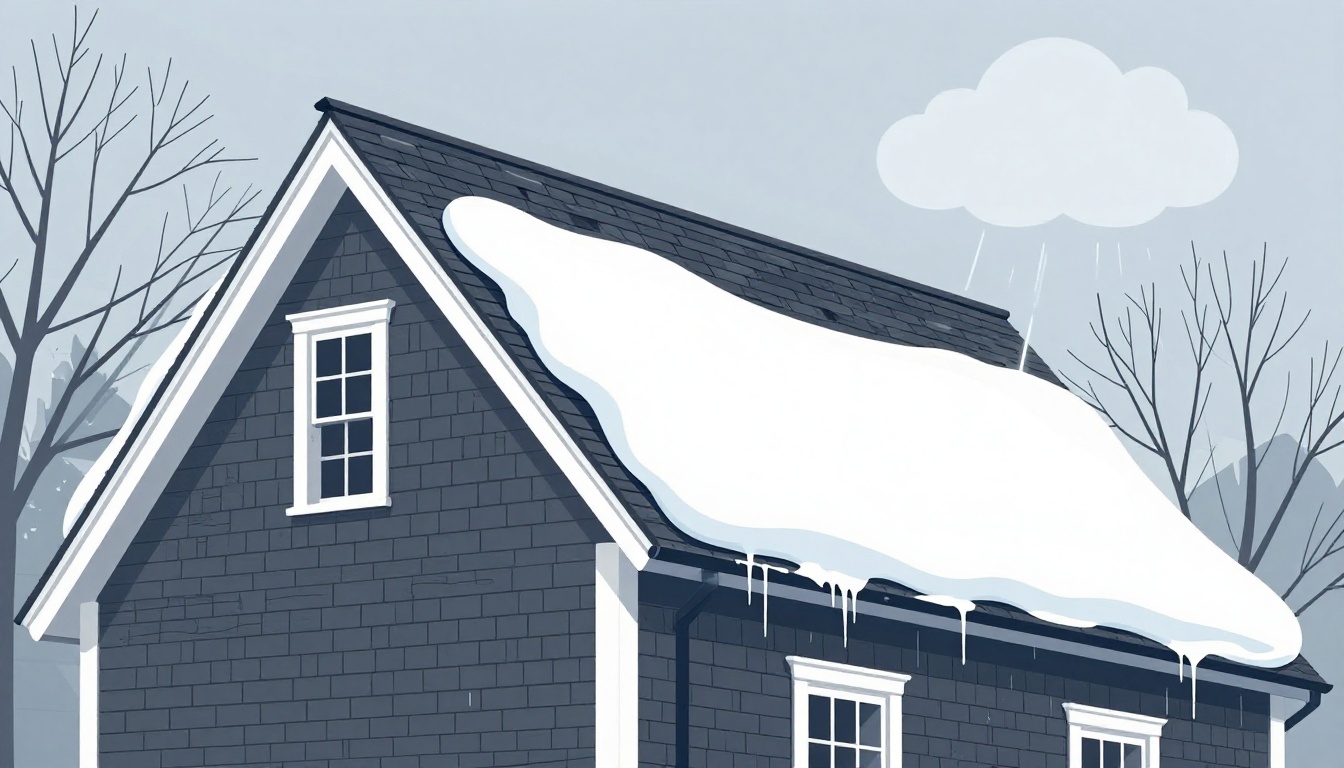
In Western Massachusetts and Northern Connecticut, winter is hard on exteriors. Snow melts, refreezes, and works into small gaps. Spring rain tests every seam. Strong wind can loosen poorly installed panels, even when the material itself is decent.
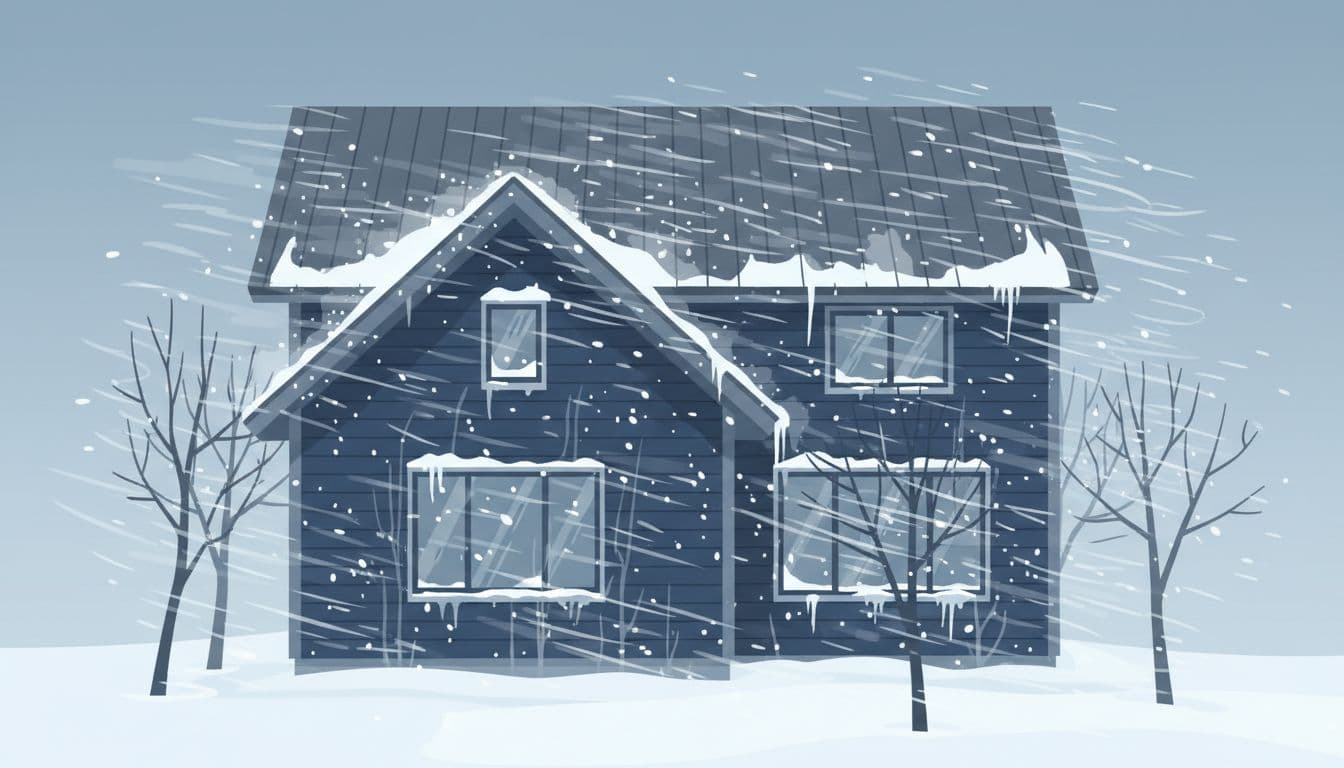
Because of that, durability should rank above trendiness. A material that handles moisture, movement, and temperature swings usually pays off better over time. For a broader climate-focused look, this guide to New England siding options lines up with what many local homeowners face.
Be honest about upkeep, time, and long-term cost
Budget matters, but install price isn't the full story. Some materials cost less upfront and stay low-maintenance. Others look beautiful, yet ask for more work every few years.
Vinyl is often one of the lowest-cost choices, and it usually asks the least from you later. Real wood has warmth and character, but it often needs staining or painting, plus more regular checks for rot, mold, and insect damage. That extra care adds up.
So think in 10-year to 20-year terms. If you don't want repainting on your calendar, pick a material that fits that reality. A siding decision should match how you actually live, not the version of homeownership you imagine on a good weekend.
Compare the Most Popular Siding Materials Side by Side
No siding material is perfect. Each option gives you a different mix of cost, appearance, maintenance, and weather performance.
This quick table gives you the big picture first:
| Material | Best known for | Main drawback | Rough 2026 installed cost |
|---|---|---|---|
| Vinyl | Low cost, low upkeep | Can crack, warp, or fade if cheap or poorly installed | About $4 to $12 per sq. ft. |
| Fiber cement | Tough in bad weather, fire-resistant | Heavier, pricier, harder to install | About $8 to $18 per sq. ft. |
| Engineered wood | Wood look with less upkeep | Still needs careful moisture management | Usually mid-range |
| Real wood | Classic appearance | More painting, staining, and repair | Usually mid-range to high |
| Metal | Durable and fire-resistant | Can dent, may feel noisier or colder without good wall details | Usually mid-range to high |
| Brick veneer | Long life and classic style | High upfront cost | Often one of the highest |
For many New England homes, fiber cement is often the top performer in rough weather, while vinyl stays a strong budget-friendly pick.
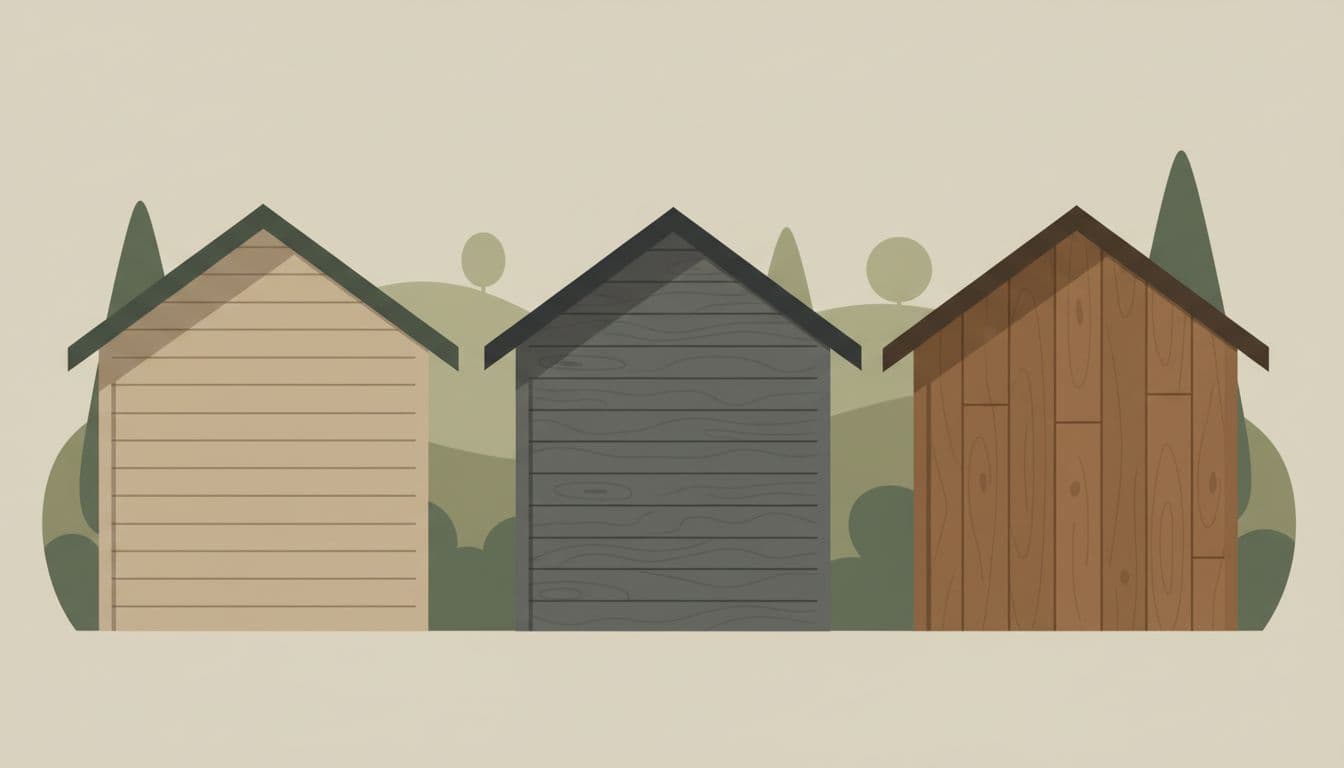
Vinyl siding, affordable, easy to clean, and a smart fit for many homes
Vinyl stays popular for a reason. It's usually affordable, widely available, and simple to maintain. Most products don't need routine painting or caulking, and manufacturers offer lots of colors and textures, including options that mimic wood grain.
Cleaning is usually easy. In many cases, a garden hose and mild detergent are enough. If you use a pressure washer, keep the pressure moderate, use a wide spray tip, and avoid forcing water up under the panels.
There are limits, though. Cheap vinyl, or vinyl installed badly, can crack in cold weather, fade in strong sun, or warp from heat. When one section gets damaged, the fix often means replacing that panel or run of panels rather than patching the surface.
Painting vinyl is possible, but you need the right paint and the right color choice. Stick with exterior paint made for vinyl, and avoid going darker than the current shade. Darker colors absorb more heat, which can lead to warping.
Fiber cement siding, tougher in bad weather but heavier and pricier
Fiber cement has become a favorite in harsh climates because it handles moisture well, doesn't attract insects the way wood can, and offers strong fire resistance. It also performs well through freeze-thaw cycles, which makes it a smart match for many homes in Massachusetts and Connecticut.
That toughness comes with tradeoffs. Fiber cement is heavier than vinyl or wood, and that makes installation more demanding. It also costs more upfront. Current regional pricing varies by home size and detail work, but Boston fiber cement cost averages show why homeowners should expect a bigger initial investment.
Maintenance is still fairly light. You can usually clean it with water, a soft brush, and mild detergent. If you pressure wash it, go gently, use a wide fan, and keep plenty of distance so you don't scar the finish. Over time, it may need repainting, but many homeowners accept that because the base material holds up so well.
Wood, engineered wood, metal, and brick veneer, when they make sense
Real wood still wins on natural character. On the right house, especially a classic New England home, it can look hard to beat. The catch is upkeep. Moisture, insects, and sun all work against it, so regular painting or staining is part of the deal.
Engineered wood gives you a similar look with less maintenance. That's one reason it keeps showing up in newer builds and updated remodels. It also fits vertical layouts and board-and-batten designs well.
Metal siding works when durability and fire resistance are priorities. It suits modern homes nicely, though dents can be an issue, and wall comfort depends a lot on the underlayment and insulation behind it.
Brick veneer is beautiful, durable, and long-lasting. It's also one of the most expensive routes. For homeowners who want that look without full masonry construction, it can still make sense as an accent or a whole-house finish.
Match the Siding Style to Your Home's Look
Material and style are separate choices. The same product can come in different profiles, and that profile can change the whole feel of the house.
Lap siding is the most familiar look. Dutch lap adds a little more shadow and depth. Clapboard feels traditional and fits many older homes. Board-and-batten runs vertically and has a more modern farmhouse or updated New England look, which is still popular in 2026.
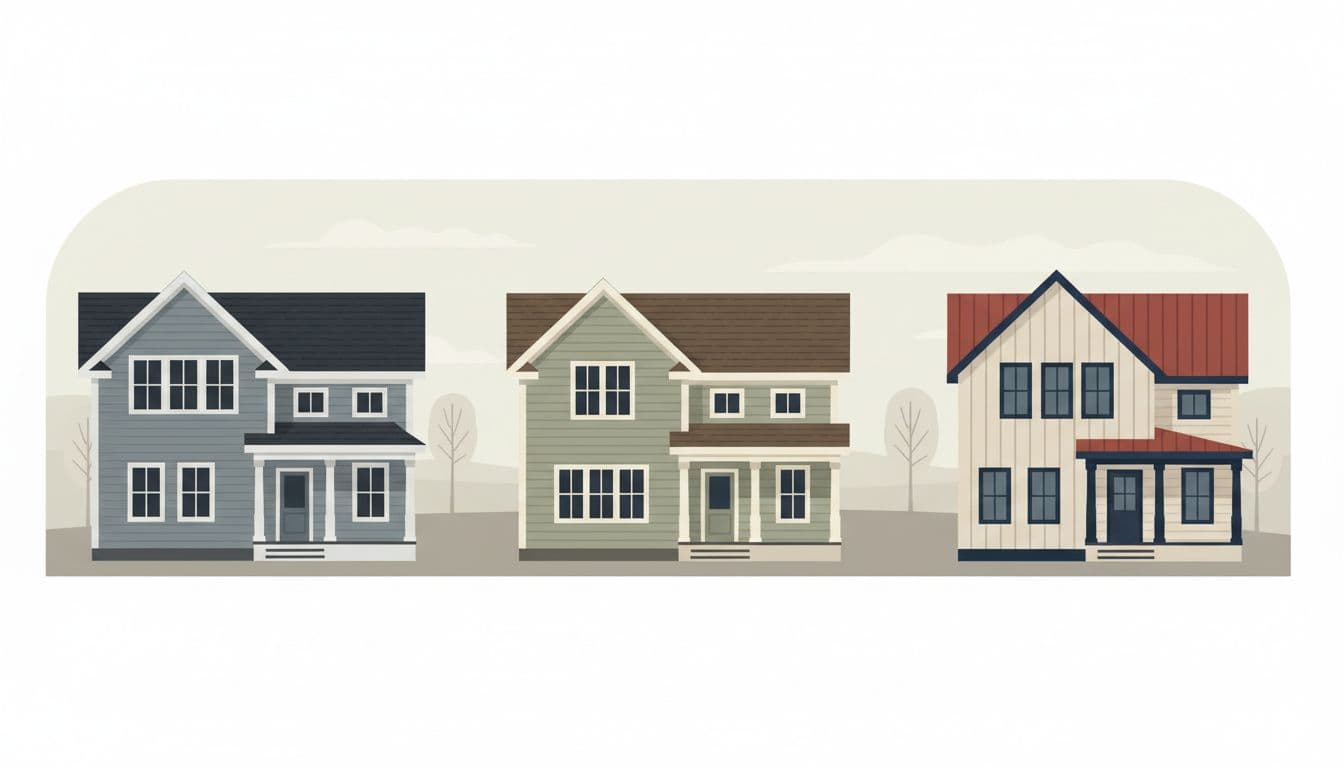
Pick a profile that fits your home, not just current trends
Start with your rooflines, trim, window shape, and the age of the house. Horizontal lap styles usually feel more traditional and steady. They work well on colonials, capes, and many ranch homes.
Board-and-batten feels sharper and more current. It can look great on farmhouses, additions, and homes with simple trim lines. Still, if the rest of the house is formal or historic, a trendy vertical profile may feel out of place.
A lot of homeowners now mix styles instead of using one profile everywhere. For example, horizontal siding on the main body with board-and-batten in a gable can add interest without making the house look busy. This New England siding style guide also highlights how climate, color, and architecture should work together.
Make the Final Call with Installation, Warranty, and Repair in Mind
A good siding product can still fail if the install is sloppy. That's why the last step in the decision is often the most important.
Before you sign off on a material, think about the install details, warranty terms, and how easy future repairs will be. If you're comparing the whole exterior, not just the walls, it also helps to talk with TRM Exteriors' roofing and siding team so rooflines, trim, gutters, and siding all work together.
A good install matters as much as the material
Trim details, flashing, seams, moisture control, and fastening all affect how siding performs. Water usually gets in at the weak points, not through the middle of a panel. That means corners, windows, doors, and roof-to-wall transitions deserve extra attention.
Vinyl and wood are lighter, so they're often easier to handle on site. Fiber cement needs more care because it is heavier and can crack if someone mishandles it during cutting or fastening.
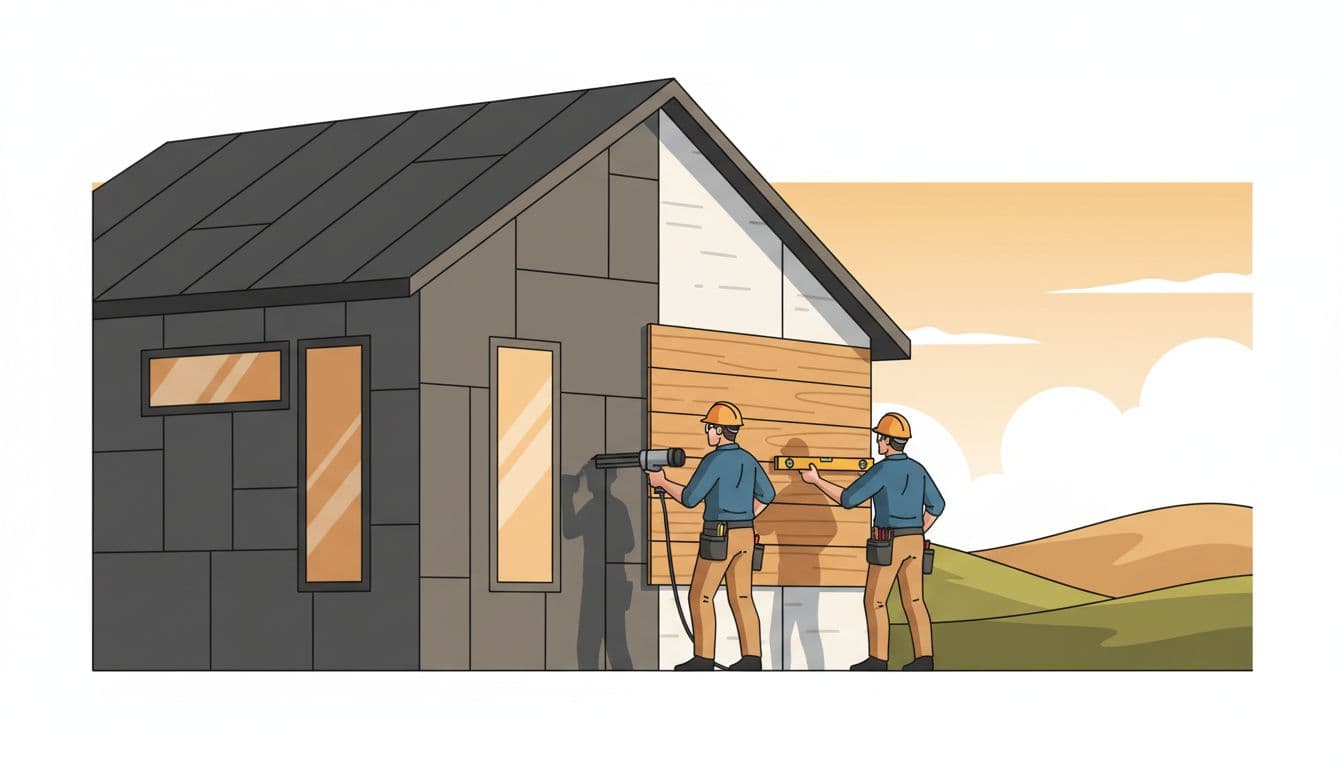
Warranty terms matter too. Before painting, repairing, or altering any siding, check the manufacturer instructions. Some changes can affect coverage, especially if the wrong paint, cleaners, or repair methods are used.
If you're estimating materials on your own, a simple method is to measure the exterior wall area and divide by the coverage of one panel. Many homeowners still order a little extra so future repairs match. Even so, professional planning helps avoid waste, awkward seams, and color-lot mismatch.
Know when repair is enough and when full replacement is smarter
Small damage doesn't always mean you need a whole new exterior. A cracked panel, one loose corner, or a few dents can often be repaired if the rest of the wall is still sound.
Replacement makes more sense when the problems are widespread. Repeated moisture issues, large sections of warping, many broken panels, fading across whole elevations, or soft wall areas usually point to deeper trouble. At that stage, spot repairs can turn into money spent twice.
A colder climate makes that decision easier to justify. When water keeps getting behind the siding, each freeze-thaw cycle raises the stakes. If the problem keeps coming back, replacing the failing section or the full wall is often the better call.
Final Thoughts
The right siding balances weather resistance , maintenance, lifespan, style, and total cost. For many homes in New England, vinyl and fiber cement are the best places to start because both handle the basics well, just in different price ranges.
If you're stuck between options, narrow it down to two materials and compare them against your house, not against a showroom sample. A clear decision now usually saves money, repairs, and second-guessing later.