Vinyl Siding Repair or Replacement: How to Tell Which One Your Wall Needs
A small crack in vinyl siding can look harmless. Sometimes it is. Sometimes it's the first clue that water has been sneaking behind the wall for months.
That is why the right call matters. In New England, wind, hail, freeze-thaw swings, and hard sun all wear siding down over time. Most homeowners want two things after exterior work, peace of mind and better curb appeal, and the right repair decision protects both without spending more than you need to.
When a small vinyl siding repair is usually enough
A local repair often works when the damage is limited to one or two spots and the rest of the wall still looks solid. If one panel cracked after a mower kicked up a stone, or a corner came loose in a windstorm, you may not need to replace a whole wall.
That is especially true when the siding underneath feels firm, the insulation area stays dry, and the replacement panel blends in well enough. A good repair should restore protection, not only hide the damage.
Minor damage that stays in one spot
Small cracks, chips, dents, and a single missing panel are usually the best cases for vinyl siding repair. The key is that the damage stays isolated. If the surrounding panels still lock together properly and the break is not spreading, a targeted fix can hold up well.
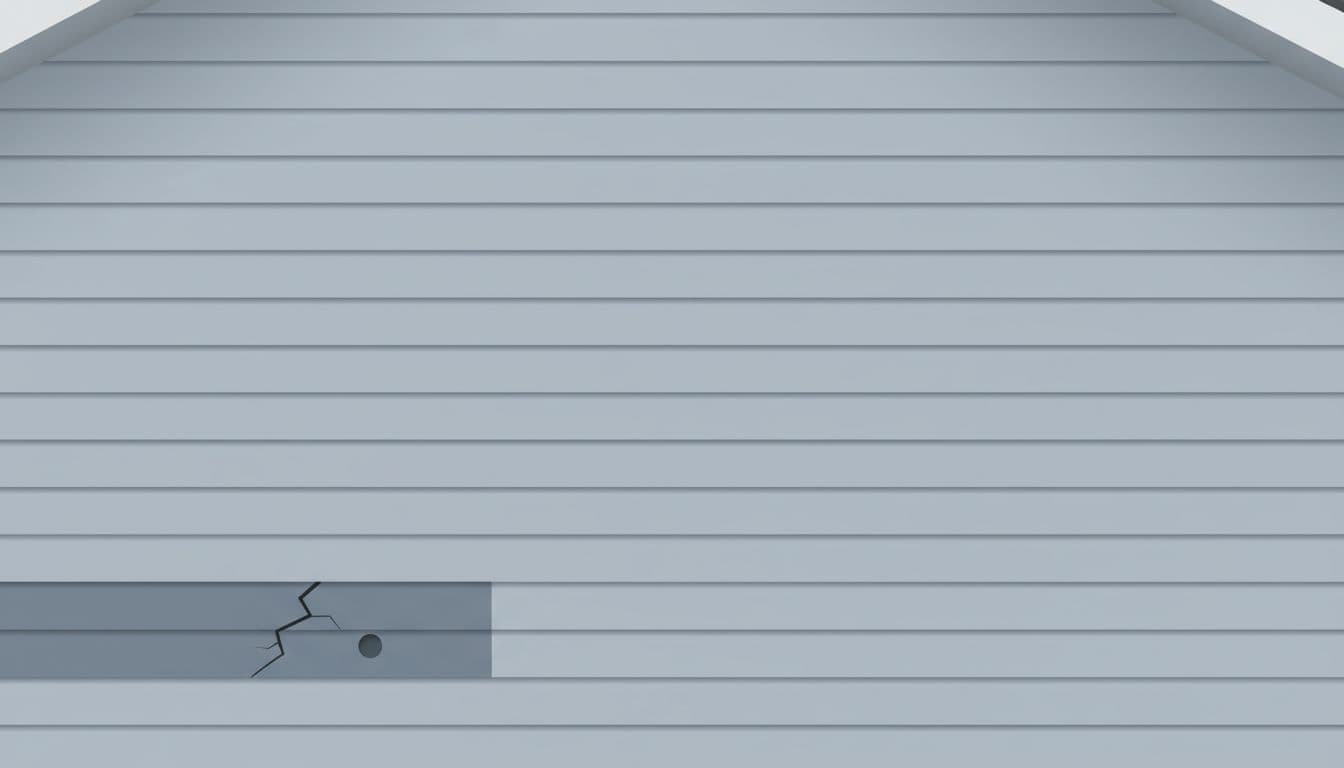
Color matters too. On newer siding, a close match is often possible. On older walls, even a well-done repair can stand out because the original siding has faded.
Loose panels and gaps that do not point to deeper moisture problems
Storms can knock panels loose without damaging the wall behind them. In those cases, a pro can often re-secure the section or swap out the damaged piece. Vinyl should still move a bit side to side, because tight nailing can cause rippling and stress.
Also check the seams and edges. They should sit flat and stay connected, with no separation. If the issue is limited to one small area, repair is often the smart move. For another practical view, this siding repair vs replacement guide makes the same point: spot damage is different from wall-wide failure.
If the damage is small, dry, and contained, repair usually makes sense.
Signs the wall needs more than a quick fix
Surface damage is one thing. Wall trouble is another. When the problem spreads across several sections, patching one piece at a time usually turns into wasted money.
Older vinyl siding is more likely to fail this way. Many homes get 20 to 40 years from vinyl, but age, heat, storm hits, and poor installation can make multiple weak spots show up at once. If you have repeat leaks, mold that keeps coming back, pest entry, rising energy bills, or large areas of distortion, the wall may need partial replacement and sometimes sheathing work behind it.
Warping, buckling, and bulging across a larger area
Warped or buckled siding often means more than cosmetic wear. Heat can deform vinyl, but trapped moisture, bad fastening, or movement in the wall can do the same. When several panels bulge in the same run, a one-panel fix rarely solves the real issue.
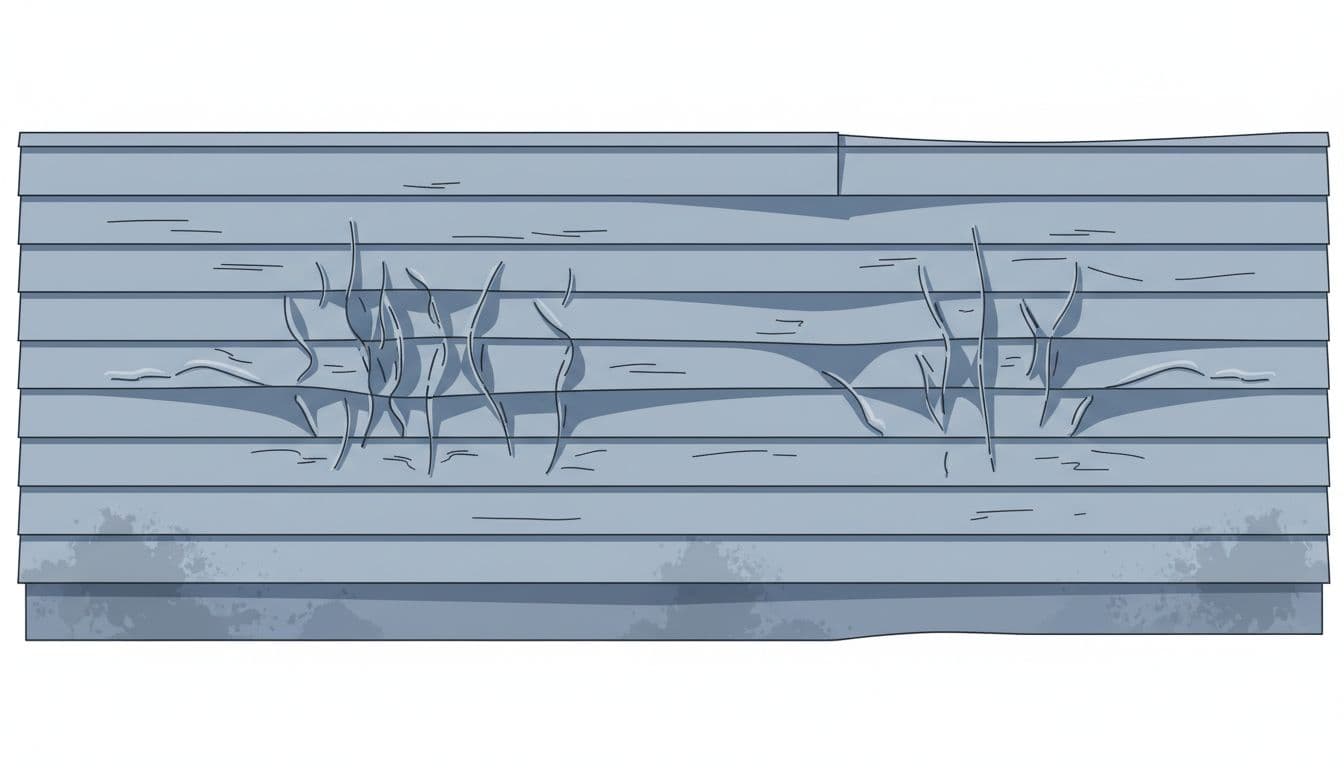
That is when it helps to pull back and look at the whole wall. If the shape is off in several places, the siding may be reacting to a deeper problem behind it.
Water stains, mold, soft sheathing, or pest activity
Inside clues matter as much as outside ones. Ceiling or wall stains, musty smells, bubbling paint, damp insulation, and drafty rooms can point to water or air getting past the siding. Soft spots under the panels are another red flag, because that can mean wet or rotted sheathing.
Pests also take advantage of gaps. If insects or small rodents are getting behind the siding, the opening is already doing damage. In these cases, the repair may involve removing siding, fixing flashing, replacing bad sheathing, and rebuilding the affected wall section. This overview of signs you need siding repair or replacement lines up with that approach, especially when moisture keeps showing up in the same area.
A simple inspection checklist homeowners can use before they decide
You do not need to be a contractor to spot warning signs. A careful walk-around after storms can tell you a lot. Stay on the ground if you are not comfortable with heights, and use binoculars if needed.
What to look for outside the house
Start with the obvious, then slow down and scan the details.
- Look for cracked, missing, or loose panels.
- Check for warped runs, bulges, and trim pulling away.
- Inspect around windows and doors for failed caulk or open joints.
- Pay close attention to seams and edges, because separation often shows up there first.
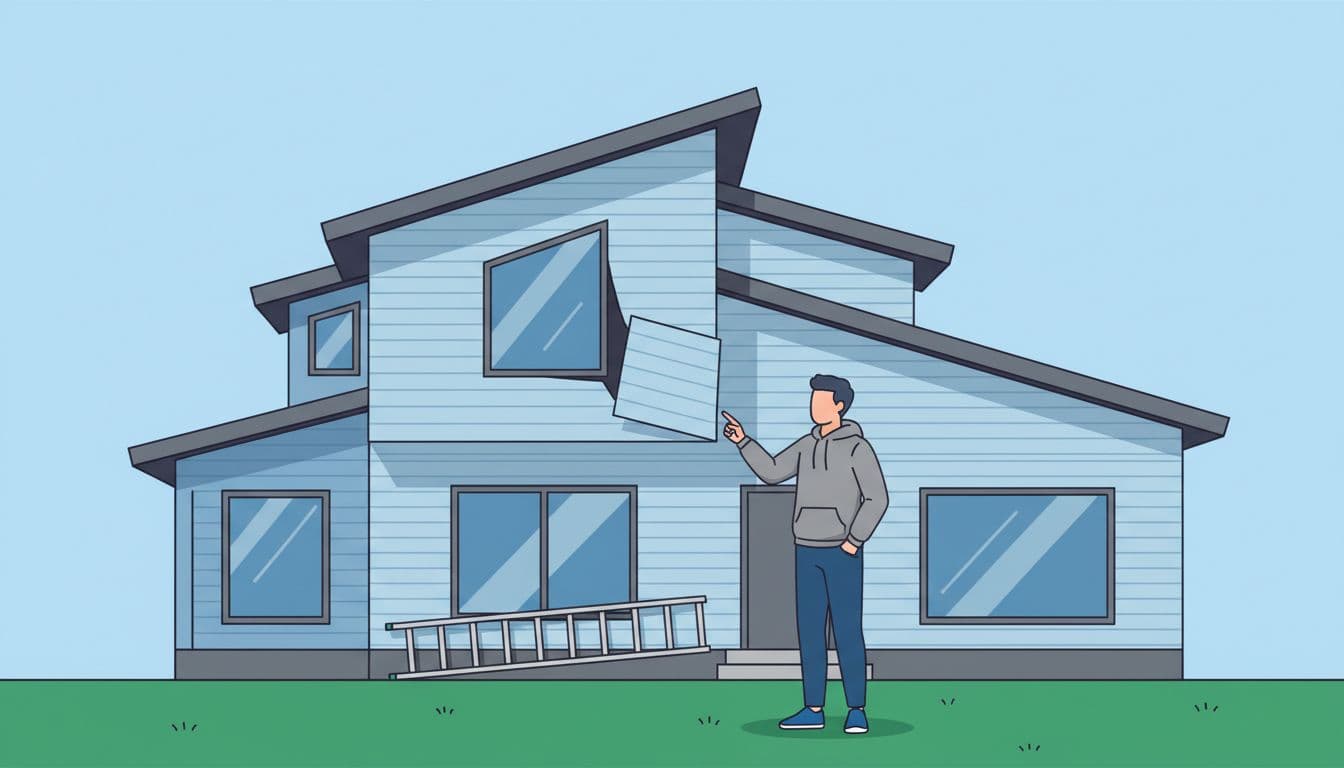
Gently test whether panels can slide a little. Vinyl should have some movement. If it feels pinched tight, the installation may be part of the problem.
What to check inside before you approve a repair
Now go indoors. Look for stains on walls, peeling paint, damp smells, mold spots, and rooms that feel more humid or drafty than usual. Those signs can point to hidden damage that a cosmetic patch will not fix.
If you keep finding new trouble in the same area, ask for a closer inspection before approving a small repair. Extensive damage, repeat moisture issues, or soft wall sections are strong reasons to bring in a professional.
How cost, age, and future repairs should shape the decision
Money matters, but so does timing. In New England in 2026, small vinyl siding repair jobs often run about $200 to $800 per spot. Replacing one wall section can land around $5,000 to $12,000. Full replacement for a typical home can reach $15,000 to $35,000 or more, especially if rot, removal, or trim work shows up.
Here is a simple way to compare the options:
| Option | Common range | Best fit |
|---|---|---|
| Small repair | $200 to $800 | One or two isolated problem spots |
| One wall replacement | $5,000 to $12,000 | Damage concentrated on one side |
| Full replacement | $15,000 to $35,000+ | Widespread failure, aging siding, hidden wall issues |
When repair saves money, and when it only delays a bigger problem
Repair is the better value when the damage is limited, the wall behind it is dry, and matching material is still available. On the other hand, old faded siding with repeat failures can turn every new patch into a visible bandage.
A 2026 This Old House survey found that many homeowners regret not getting enough quotes on exterior work, and most said labor and materials drove the final price. That is why itemized estimates matter. This replacement vs repair cost breakdown is useful for framing the long-term tradeoff before you sign anything.
Small damage often calls for vinyl siding repair. Widespread warping, moisture signs, soft walls, and older failing siding usually mean the wall needs more work.
Catching trouble early saves money for the same reason early roof leak repairs do. The sooner you stop water, the less likely you are to pay for rot, mold, or a larger rebuild later.
If the same area keeps failing, or the wall feels soft and damp, get a professional inspection and compare detailed estimates before moving ahead. That is usually the fastest path back to peace of mind .