Spring Flat Roof Checklist for Western Massachusetts Homes
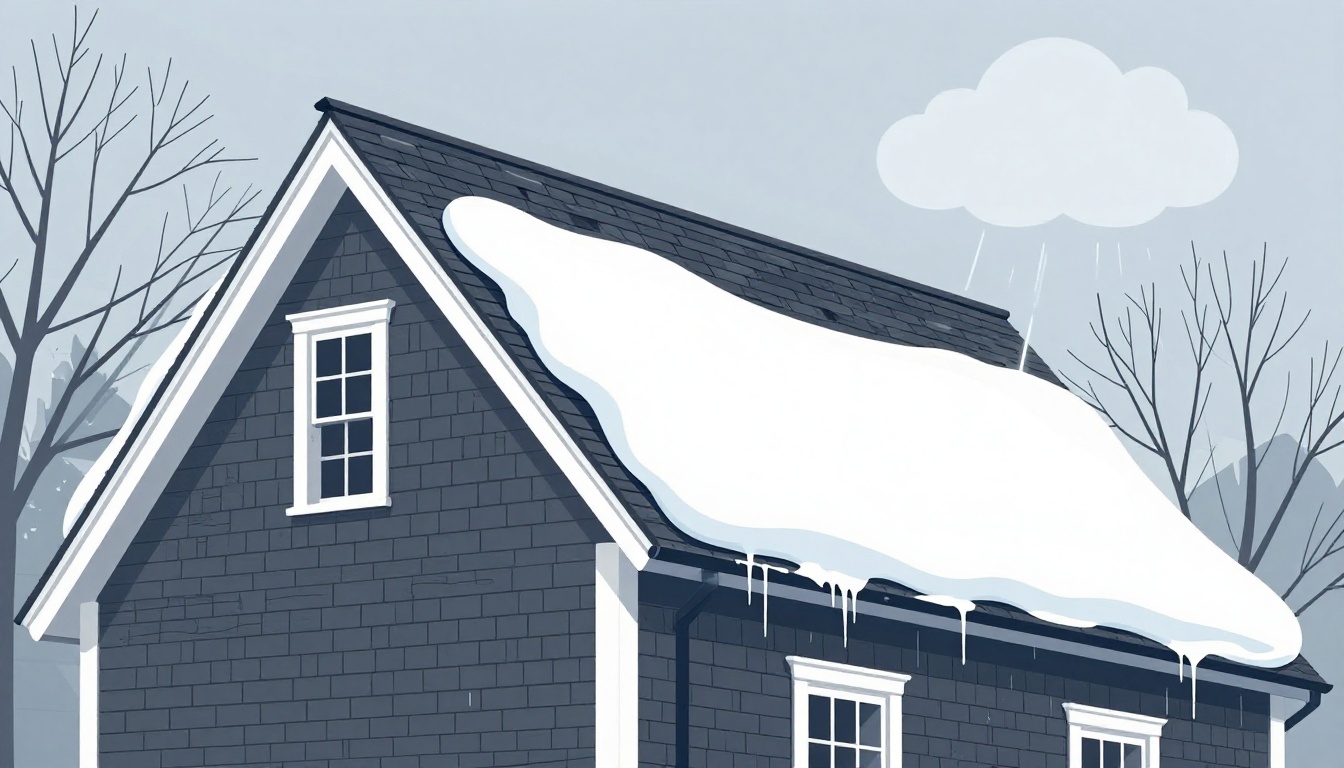
Western Massachusetts roofs had a rough winter. Snow stacked up, ice stuck around, and the winter of 2025 to 2026 brought more than 40 freeze-thaw swings across the region, which is plenty of chances for small roof problems to grow teeth.
If your home has a flat roof, spring is the best time to catch hidden damage before it turns into leaks, rot, mold, or a soggy repair bill. This checklist keeps it simple, safety first, then drainage, then the roof surface itself.
Start with a safe spring roof check from the ground
Pick a dry day with good light. Then stay on the ground first and use binoculars or your phone's zoom. Flat roofs can look harmless, but spring surfaces can still be slick, soft, or weaker than they seem after months of snow load and ice.
Take photos as you go. They help you compare changes after the next storm, and they give a roofer a clearer story if you need help later.

Look for sagging, stains, and anything that seems off
Start with the roofline. If it looks uneven, dipped, or tired, pay attention. Heavy snow and packed ice can stress the deck below and create low spots that trap water.
Also scan for dark stains, loose metal at the edges, damaged trim, or debris piles that never seemed to leave winter. Those are clues, not decoration. A good local example of what homeowners often spot in spring appears in this Western Massachusetts roof check guide.
Check inside the house for clues your roof is giving you
Your ceiling often tattles before the roof does. Look for water stains, peeling paint, damp insulation, musty smells, or fuzzy mold growth in attic spaces and top-floor rooms.
Leaks don't always drip straight down. Water can travel along framing and show up far from the real opening. So if one bedroom ceiling looks suspicious, don't assume the roof above that exact spot is the only area in trouble.
Clear drainage paths before ponding water turns into a bigger mess
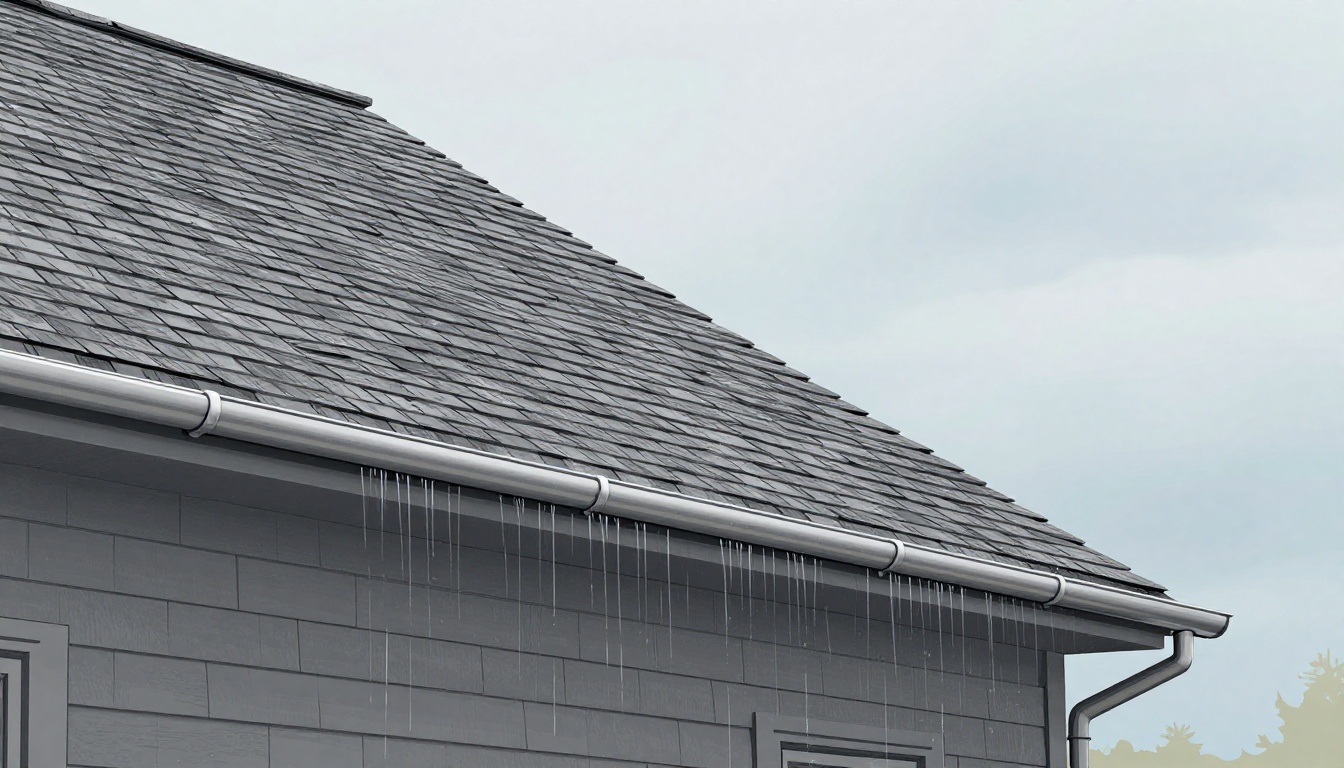
For flat roofs, spring drainage is the main event. Leaves, twigs, grit, and winter leftovers often clog drains, scuppers, gutters, and downspouts. In Western Massachusetts, trapped meltwater can refreeze at night, back up, and push water into seams and edges like a crowbar made of ice.

Inspect drains, scuppers, gutters, and downspouts for blockages
Clear out debris if you can do it safely. Then flush the path with water and make sure runoff moves away from the house. Gutters often loosen after carrying heavy ice, so look for sagging runs, pulled fasteners, or sections that no longer pitch correctly.
A spring checklist from nearby homeowners in similar weather also flags overflow stains and loose gutter hardware as common post-winter trouble in New England homes, which lines up with this seasonal roof maintenance article.
Watch for ponding water and low spots that stay wet
Standing water is bad news on a flat roof. If puddles stay around long after a storm, the membrane takes a beating. Wet spots also feed moss, algae, and grime, and those hold moisture against the surface.
If water is still sitting 48 hours after rain, the roof is asking for attention.
Repeated ponding often points to slope problems, clogged drains, or a deck that has started to sag. That's not a wait-and-see issue for long.
Inspect the roof membrane, seams, and flashing for freeze-thaw damage
This is where winter likes to leave its autograph. Melted snow slips into tiny cracks, and then cold nights freeze it again. That expansion can split seams, widen small tears, and lift flashing around penetrations.
Rubber roofs, including EPDM and other single-ply membranes, can last for decades with proper care. Still, spring is when weak spots show themselves.

Check the membrane for cracks, blisters, punctures, and soft spots
Look for tears, bubbles, brittle patches, worn areas, and punctures from branches or foot traffic. Overhanging limbs are sneaky troublemakers, and debris left sitting on the roof can rub or poke holes in the membrane.
If the roof is dirty, clean gently with mild soap and water. That makes damage easier to spot. It also helps prevent moss or mold from hanging on to moisture.
Pay close attention to seams, edges, and roof penetrations
Seams are common leak points, especially after a winter with constant freeze-thaw motion. Check for separation, dried or missing lap sealant, and lifted edges around the roof perimeter.
Then inspect around vents, pipes, skylights, chimneys, and HVAC units. Ice often pries at those joints first. This spring roof maintenance checklist after winter echoes the same point, especially around flashing and seals.
Look at metal flashing, fascia, and trim for rust, gaps, or movement
Flashing protects transitions where water loves to sneak in. After snow and ice, it can bend, pull loose, rust, or lose its seal. Damaged edge metal can also let water get behind the membrane, which is like leaving your wallet on the porch in a windstorm.
Know which spring roof problems you can monitor, and which need a pro fast
Some issues are worth documenting. Others need expert eyes right away, because small leaks spread into insulation, framing, ceilings, and mold with rude efficiency.
Small issues you can document and keep an eye on
Light debris, a faint old stain, or one small patch of dried sealant can go in your photo log. Note the date, check again after the next rain, and see if the spot changes.
A regular inspection routine matters because damage often starts small. Even a once-a-year professional check, plus a spring walk-around, can catch early wear before the roof starts charging rent.
Red flags that mean it is time to call a roofing professional
Call for help if you see active leaks, repeated ponding, wide seam gaps, large blisters, soft decking, sagging sections, damaged flashing, or mold indoors. Structural warning signs are never a DIY hobby.
If anything on that list shows up, it's time to Contact Troy and get a real inspection on the calendar. It's also smart to get more than one estimate for larger repairs, because recent homeowner survey data has shown labor and materials drive most roofing costs.
Conclusion
Spring is your best shot at catching the damage winter tried to hide. Start from the ground, clear the drainage paths, inspect the membrane and seams, then check indoors for stains, dampness, or musty smells.
A flat roof rarely fails all at once. It usually whispers first. If anything looks odd, soft, loose, or wet, a spring inspection now can save you from a much louder problem later.