Should You Replace Gutters When You Replace a Roof?
You don't always need new gutters when you replace a roof. Still, it often pays to judge both at the same time because they handle the same water. In New England, hard rain, snow, and ice put extra pressure on roof drainage.
If your roof is getting replaced, the real issue is simple: are your gutters still good enough to protect the new system?
You don't always need new gutters with a new roof
Your roof and gutters work together, but they don't always wear out at the same speed. If the gutters are fairly new, firmly attached, and draining well, you may be able to keep them.
Signs your current gutters are still worth keeping
Good aluminum gutters can often last close to 20 years. If the seams are tight, the runs are straight, and you don't see major dents, rust, or sagging, they may still be worth keeping. Also check for overflow marks on the fascia or siding, and make sure downspouts move water away from the house. In some cases, roofers can protect or temporarily remove solid gutters during the job, then reset them after. This roof and gutter timing guide gives a helpful overview of that approach.
Replace the gutters too if they show age, damage, or poor drainage
When gutters are already failing, replacing both is usually the better call. Old gutters can speed up damage to fascia, soffits, siding, and the area around your foundation.
The warning signs that mean replacement is the smarter move
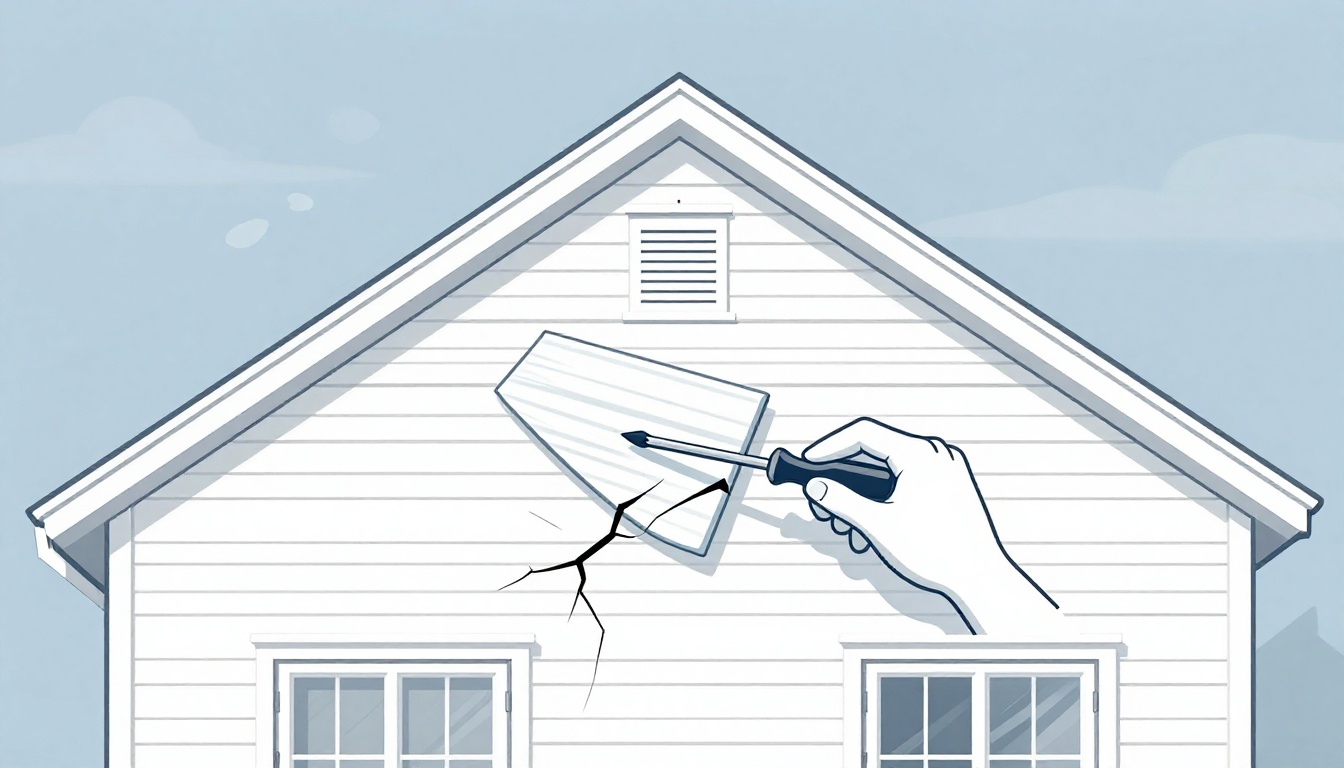
Watch for sagging sections, split seams, cracks, corrosion, loose fasteners, recurring clogs from bad pitch, and stains near the roof edge. Overflow during storms is another clear warning. If the fascia shows wear, or the old gutter setup gets in the way of proper shingle or drip-edge work, replacement usually makes more sense.
Why pairing both projects can save trouble later
Doing both jobs together can cut down on extra labor visits and make fascia repairs easier. It also helps the new roof edge and new gutters fit together better. In Massachusetts, basic to mid-range gutter replacement often falls around $5 to $15 per linear foot installed, though premium options can cost much more. So, replacing good gutters for no reason may not pay off. Still, failing gutters can damage the roof edge and home exterior , which makes timing both projects smart when the system is worn out.
If you replace both, the roof should come first
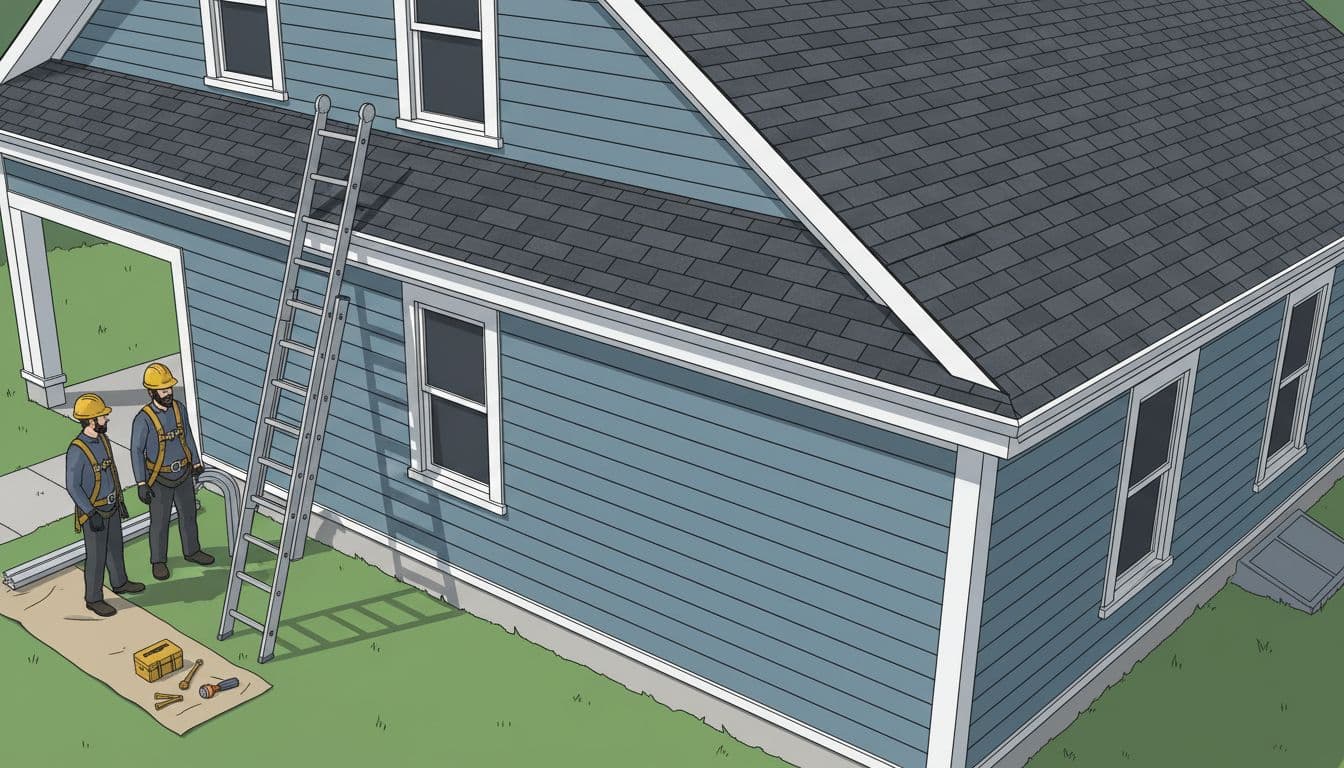
Most residential jobs should follow one order: roof first, gutters second. Roofers need clear access to the eaves so shingles and drip edge send water into the future gutter, not behind it. Removing old gutters first also makes it easier to spot rotted fascia or trim. It also keeps new gutters safe from roofing debris and foot traffic.
Why installation order matters for drip edge and fascia
A clean roof edge gives both trades a better result, and it helps water move where it should.
A simple way to decide before work begins
Check the gutter age, visible damage, drainage, and fascia condition before you sign a contract. If the gutters are younger and still working, keep them. If they leak, sag, overflow, or hide wood rot, replace them as part of the roof plan.
If you want one clear plan for both jobs, contact Troy at TRM Exteriors for an estimate and project guidance.
A new roof doesn't always need new gutters. But worn-out gutters can undercut the whole job.
Keep the gutters that still work, replace the ones that don't, and do the roof first. That's the best way to protect your home from New England weather.